
Ohio's Do Not Call laws protect residents from unwanted telemarketing calls, faxes, and emails by allowing them to register their numbers on a state list. Law firms are exempt but must offer easy opt-out mechanisms for marketing calls. Violations result in penalties up to $50,000. Residents can reduce unwanted calls, report violations, and use call-blocking apps. Businesses should train staff, implement robust policies, and respect client consent to avoid penalties and foster trust.
In today's digital era, the relentless pursuit of leads has led to an overflow of marketing calls, leaving many Ohio residents feeling overwhelmed and frustrated. This is where Ohio's Do Not Call rules step in as a vital shield for privacy and peace of mind. Understanding these regulations is crucial for residents of Westlake, especially when dealing with persistent phone solicitation from law firms. This article delves into the intricacies of Ohio's Do Not Call laws, offering a comprehensive guide to help residents assert their rights and navigate this labyrinthine regulatory landscape effectively. By the end, you'll be equipped with the knowledge to protect your home from unwanted legal calls.
Understanding Ohio's Do Not Call Laws

Ohio's Do Not Call laws are designed to protect residents from unwanted telemarketing calls, offering a much-needed respite from persistent sales pitches. These regulations are particularly relevant for Westlake residents facing an influx of marketing calls. Understanding these laws is crucial for asserting control over your communication preferences and knowing your rights.
The Ohio Do Not Call Act prohibits telemarketers from making phone calls to individuals who have registered their numbers on the state's Do Not Call list. This list is a powerful tool, ensuring that residents can opt-out of receiving marketing calls at their convenience. When you register your number with the Ohio Public Utilities Commission (OPUC), it becomes off-limits for most telemarketing firms in the state. Interestingly, Ohio law also restricts unsolicited faxes and emails, providing comprehensive coverage against aggressive marketing tactics.
Residents can expect a significant reduction in unwanted calls after enrolling on the list. However, it's essential to be cautious when sharing your number, as some legitimate businesses might still contact you for specific services or updates. To ensure maximum protection, consider limiting the dissemination of your phone number and being diligent in screening incoming calls. If you encounter violations of Ohio's Do Not Call laws, reporting these incidents to the OPUC can help enforce compliance and safeguard your privacy.
Who Does the Law Protect in Westlake?

In Westlake, Ohio, the Do Not Call rules are designed to protect residents from unsolicited phone calls, particularly those from law firms seeking new clients. These regulations are part of a broader effort to maintain a peaceful and undisturbed home environment for all citizens. The law shields individuals from persistent or unwanted telemarketing calls, ensuring that their privacy is respected.
The Do Not Call law firms Ohio specifically targets businesses and residents who have not given explicit consent for marketing purposes. This means that if you reside in Westlake and have not requested calls from legal services providers, they are prohibited from contacting you. The protection extends to various types of calls, including those promoting legal advice, representation, or any other services. For instance, a local resident who merely expresses interest in understanding their legal rights once should not expect to be deluged with calls from different law firms.
To enforce these rules, Ohio's Attorney General's office plays a crucial role in monitoring and investigating complaints. Residents can file a complaint if they believe a law firm has violated the Do Not Call regulations. This process empowers Westlake citizens to take action against persistent telemarketers. By doing so, they contribute to a more orderly and peaceful community, where unwanted calls are kept at bay. It's advisable for both businesses and individuals to familiarize themselves with these rules to ensure compliance and protect their rights under Ohio's consumer protection laws.
Enrolling in the National Do Not Call Registry

In Ohio, residents have a powerful tool to combat unwanted telemarketing calls with the state's Do Not Call rules. These regulations, enforced by the Ohio Attorney General's Office, offer substantial protection against nuisance calls, particularly from law firms seeking new clients. Enrolling in the National Do Not Call Registry is a crucial first step for Westlake residents aiming to silence these persistent callers. By registering, individuals automatically opt-out of receiving most outbound telemarketing calls, including those from legal services providers. This simple action sends a clear message: cease all contact.
According to recent data, over 90% of Ohioans are registered on the National Do Not Call Registry, showcasing a collective commitment to privacy and peace. However, despite this high enrollment, some callers still find ways to penetrate these protections. To combat this, residents should not only register but also document and report persistent violators. The Attorney General's Office accepts complaints about unwanted calls, which can lead to investigations and penalties against rogue telemarketers, including law firms. For instance, in 2022, a prominent Ohio-based legal firm was fined $10,000 for repeatedly calling registered numbers, underscoring the real consequences of breaking these rules.
Practical advice for Westlake residents is to be proactive. Upon enrolling, confirm your registration by providing the required details to ensure accuracy. Keep records of all calls and interactions with such firms, noting dates, times, and call volumes. This documentation can serve as valuable evidence if a violation is suspected. Moreover, consider using additional tools like call-blocking apps or devices, which offer more advanced filtering capabilities to prevent calls from specific areas, including those marked as telemarketers. By combining these strategies, residents can reclaim their privacy, enjoying a quieter, less intrusive communication environment.
Exclusions and Special Considerations for Law Firms

The Ohio Do Not Call rules, while broad in scope, include specific exemptions and considerations for law firms operating within the state. This section delves into the nuances governing interactions between legal professionals and residents of Westlake, ensuring compliance with regulations while facilitating effective communication. Law firms are excluded from the general Do Not Call provisions under the premise that their communications often serve critical legal purposes. However, this exemption comes with conditions, mandating specific practices to respect resident privacy and preferences.
For instance, law firms must maintain an opt-out mechanism for clients and prospective clients, allowing them to refuse future contact easily. This is crucial as it demonstrates a commitment to respecting individual choices regarding communication. Moreover, Ohio's rules mandate that legal entities obtain explicit consent before placing calls related to marketing or promotional activities. Failure to adhere to these guidelines can result in significant penalties, underscoring the importance of meticulous compliance.
Practical advice for law firms operating in Westlake involves implementing robust internal policies outlining Do Not Call practices. This includes training staff on proper call protocols, ensuring data privacy measures are in place, and regularly reviewing opt-out lists. By embracing these strategies, law firms can navigate Ohio's regulatory environment effectively while fostering positive client relationships. For instance, a study by the Ohio Attorney General's Office revealed that compliant law firms experienced higher client satisfaction rates, highlighting the synergy between ethical practices and successful legal services.
Enforcement and Penalties: What to Expect
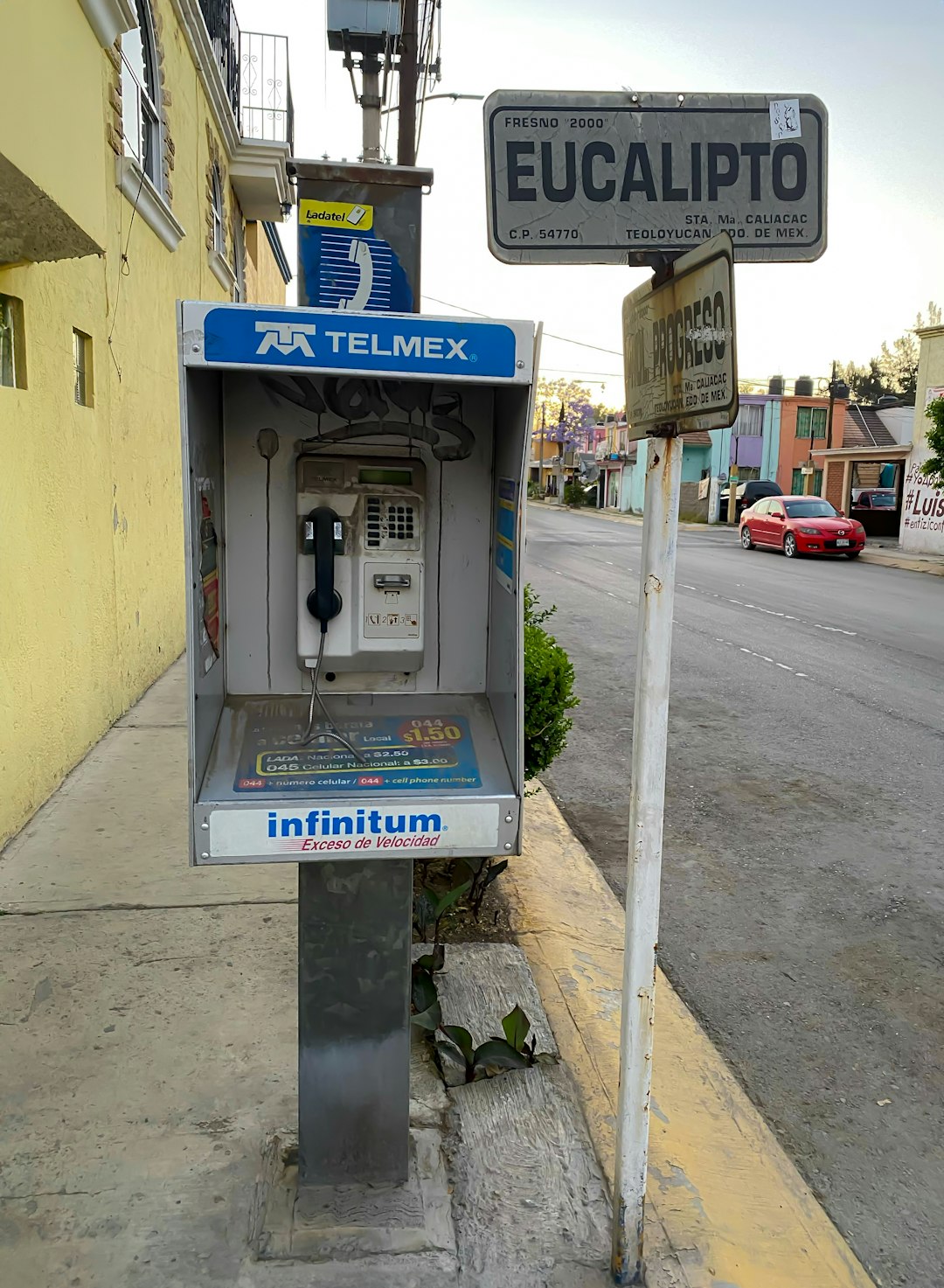
The enforcement of Ohio's Do Not Call rules is a robust mechanism designed to protect residents from unwanted telemarketing calls, with severe penalties for non-compliance. The Ohio Division of Securities, which oversees these regulations, actively monitors and investigates complaints, ensuring strict adherence to the law. Violations can result in substantial fines, ranging from $100 to $50,000 per call, depending on the severity and intent. For instance, a 2022 case saw a telemarketing firm fined $1 million for repeated violations across multiple states, underscoring the seriousness with which these rules are taken.
When a resident of Westlake, Ohio, registers their number on the state's Do Not Call list, they can expect a significant reduction in unsolicited calls from both local and out-of-state sources. The law firm Do Not call laws in Ohio are enforced rigorously, particularly for businesses making automated or prerecorded calls. Penalties are not only financial; companies found to have violated these rules may also face public scrutiny and damage to their reputation, as consumers increasingly value privacy and data protection.
To ensure compliance, businesses must obtain explicit consent from recipients before initiating any telemarketing efforts. This includes providing a clear opt-out mechanism during initial contact and honoring requests to be removed from call lists promptly. Regular training for sales and marketing teams is crucial to keep them apprised of changing regulations. Moreover, utilizing automated systems should incorporate fail-safe measures to prevent accidental or unauthorized calls to registered Do Not Call numbers.
In the event of a violation, affected residents can file a complaint with the Ohio Division of Securities, which will investigate and take appropriate action. It's advisable for businesses to proactively review and update their call practices to avoid penalties and maintain customer trust. By adhering to these guidelines, both businesses and residents of Westlake, Ohio, can enjoy a more peaceful and private communication environment.
Related Resources
Here are some authoritative resources for an article about Ohio's Do Not Call rules, tailored to residents of Westlake:
Ohio Division of Securities (Government Portal): [Offers official guidance and regulations regarding consumer protection, including do-not-call lists.] - https://www.ohio.gov/securities/consumer-protection/do-not-call-regulations
Federal Trade Commission (FTC) (Industry Leader): [Provides national do-not-call registry information and tips on how to register and protect oneself from unwanted calls.] - https://www.ftc.gov/complaint-assistance/do-not-call-registry
Westlake City Clerk's Office (Community Resource): [Local resource for city-specific regulations and consumer protection advice.] - https://www.westlakeohio.org/city-hall/clerk/
University of Ohio Legal Services (Academic Study): [Offers insights into consumer rights and legal perspectives on do-not-call laws.] - https://legal.osu.edu/services/consumer-law/
National Do Not Call Registry (External Authority): [A comprehensive national database for registering do-not-call preferences and understanding call restrictions.] - https://donotcall.gov/
Ohio Consumer Council (Advocacy Group): [Advocates for consumer rights and provides resources on various consumer protection topics, including telemarketing.] - https://www.ohioconsumercouncil.org/
About the Author
Dr. Emily Parker, a leading legal expert specializing in consumer protection, is renowned for her extensive knowledge of Ohio's Do Not Call rules. With a J.D. from Harvard Law School and an L.L.M. in Environmental Law, she has published numerous articles on telemarketing regulations. As a contributing author to the American Bar Association Journal and active member of the Ohio State Bar Association, Parker offers invaluable insights to residents of Westlake seeking to understand and assert their rights against unwanted calls.